The Best Candles for Kitchens
The Best Candles for Kitchens (That Won’t Clash With Food)
When choosing the best candle for a kitchen, the biggest mistake people make is going too sweet, too heavy, too minty or too floral.
Vanilla, oud and sugary scents might work in a bedroom or living room - but in a kitchen, they compete with food.
A kitchen candle should feel fresh, green and subtle. It should complement cooking, not overpower it.
Why Most Kitchen Candles Don’t Work
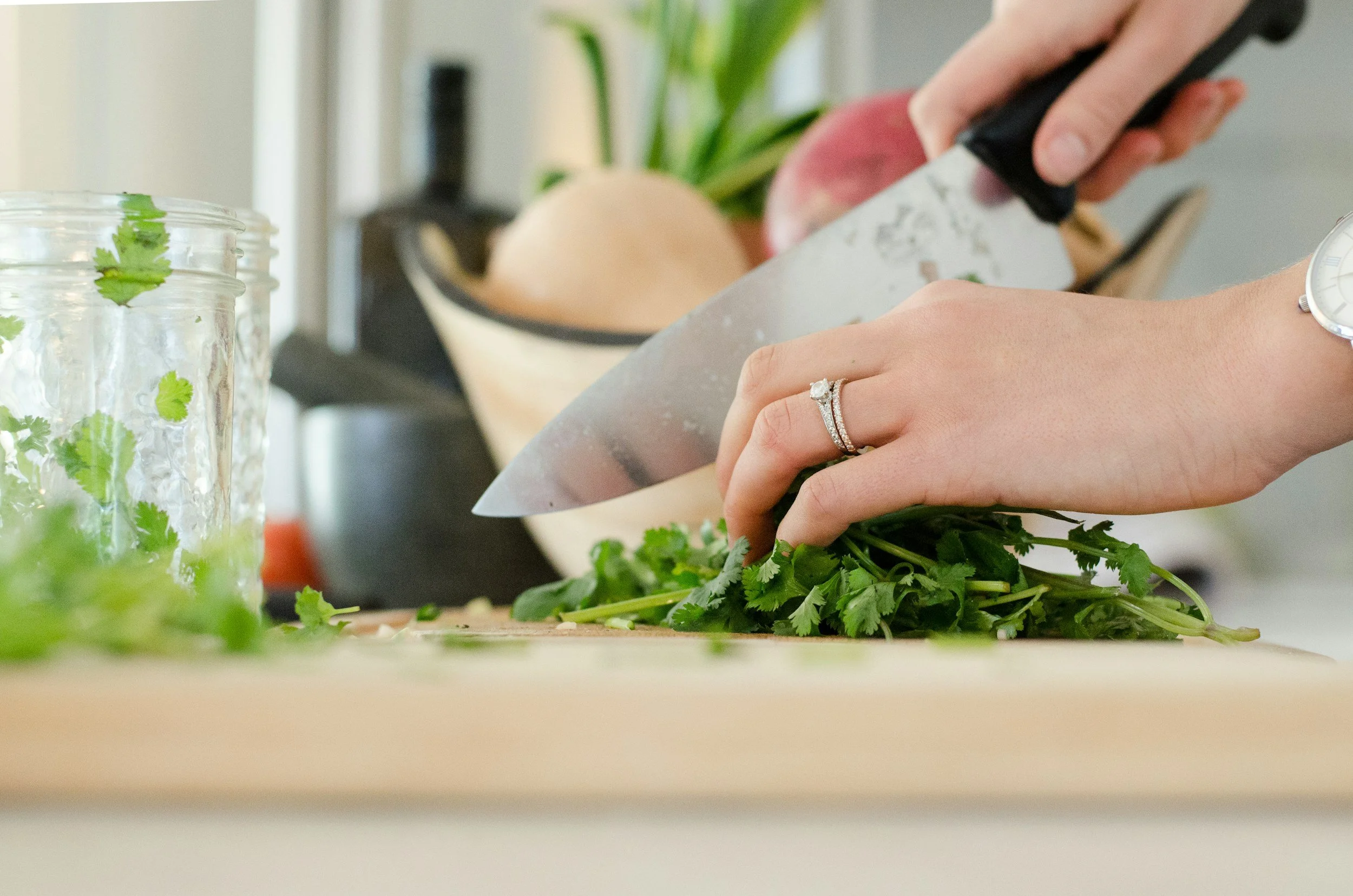
The kitchen is already full of scent:
Garlic sizzling in olive oil
Fresh herbs being chopped
Lemon zest
Roast chicken
Warm bread
Heavy fragrances clash with these natural aromas. Instead of enhancing the space, they create confusion.
The best candle for a kitchen is one that feels botanical and clean.
What Makes a Good Kitchen Candle?
Look for:
Green notes (like tomato vine or herbs)
Citrus undertones
Subtle scent throw
Natural-feeling fragrance
This is where a fresh kitchen candle makes all the difference.
A Botanical Approach: Glasshouse
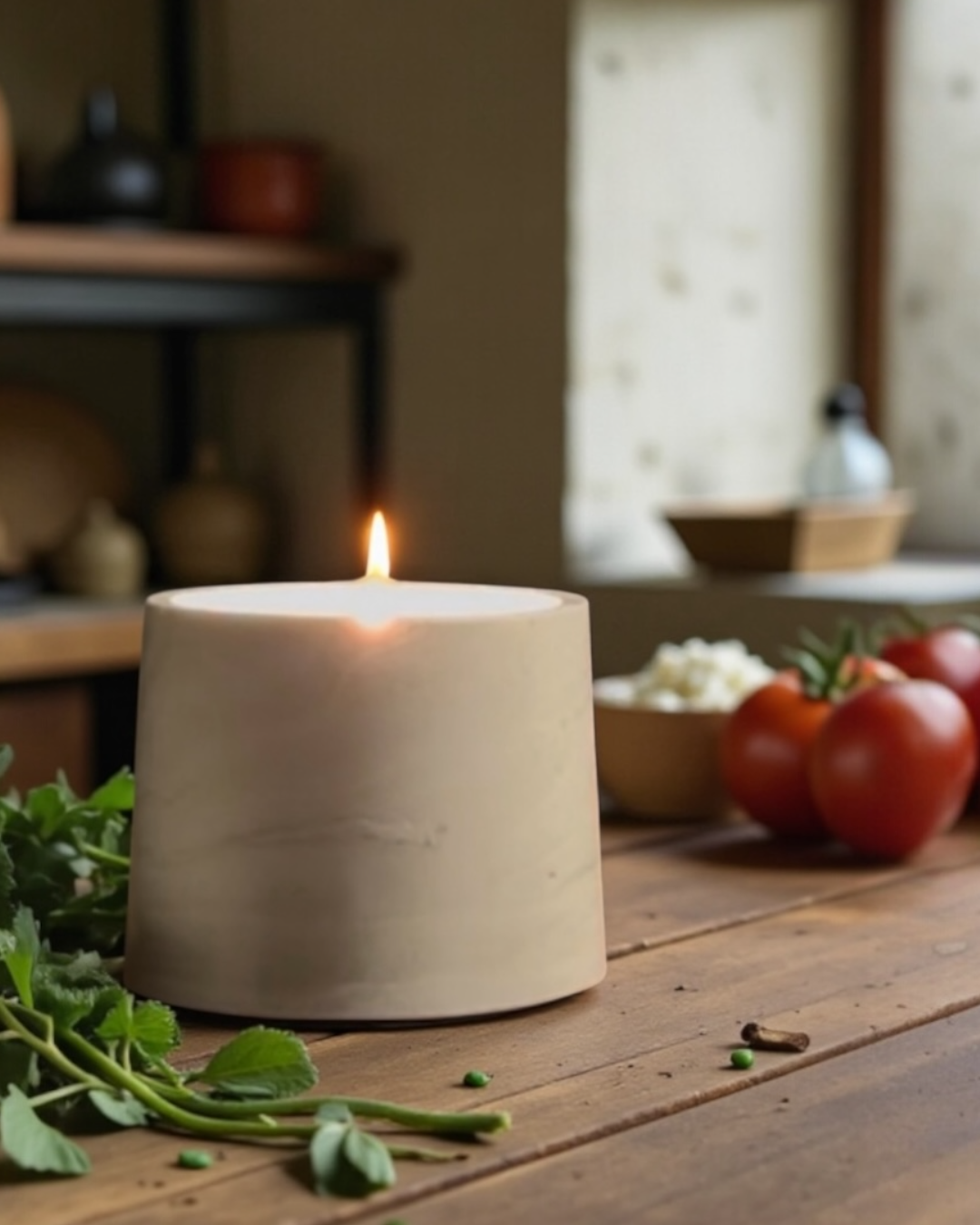
One of our signature scents - Glasshouse - blends tomato vine, basil and petitgrain.
Tomato vine gives that crushed-leaf, greenhouse freshness.
Basil adds a soft herbal lift.
Petitgrain brings a gentle citrus edge without sharpness.
Together, they create a subtle home fragrance that works beautifully while cooking.
It doesn’t compete with food.
It complements it.
Especially with:
Salads
Chicken dishes
Fish
Summer meals
You’ll notice it in soft waves - never overpowering.
Why Subtle Always Wins in a Kitchen
A kitchen isn’t a perfume counter.
It’s a working space.
A subtle home fragrance creates atmosphere without distraction. It adds a feeling of freshness - like opening a window onto a garden.
That’s what a kitchen candle should do.
Not mask.
Not overpower.
Just gently enhance.
Final Thoughts
If you’re searching for the best candle for kitchen use, think botanical, green and understated.
Fresh herbs. Garden notes. Natural ingredients.
The kitchen deserves fragrance that feels alive - not artificial.